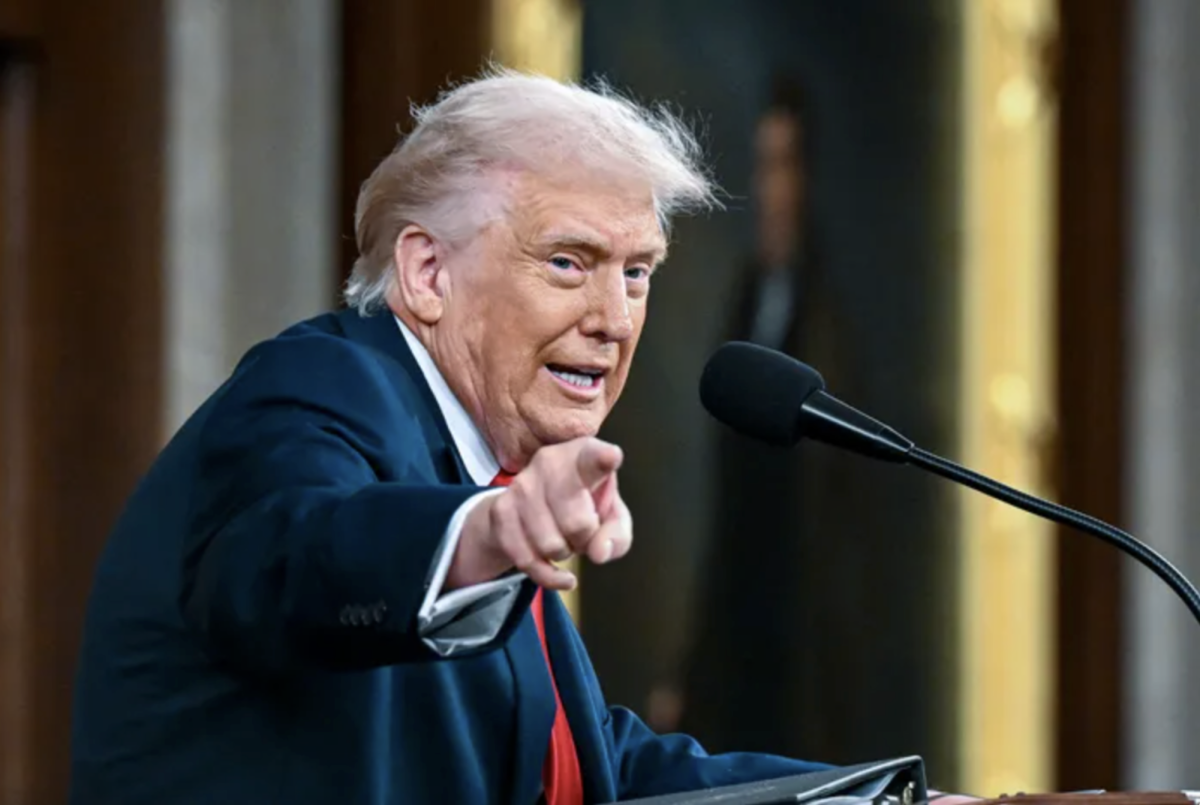

Cardi B’s song “Up” starts to play as a Minecraft crafting table and inventory screen flashes onto the screen. In the inventory are four emojis: an eagle, an American flag, a fire, and a goat. With Minecraft sound effects corresponding to each move, the emojis are placed into the crafting table, and they produce a picture of Donald Trump. The screen then cuts to an edit of Trump, playing a mix of Cardi B’s song with Minecraft music in the background. This sort of video coming across my feed is not unusual, and I would guess that many GA students have had their very own “edit” accounts for some time. The unusual thing about this video was the verification, a little blue check mark next to “The White House” in the bottom left corner. One of the comments read: “bro wake up the white house just dropped a minecraft trump edit”
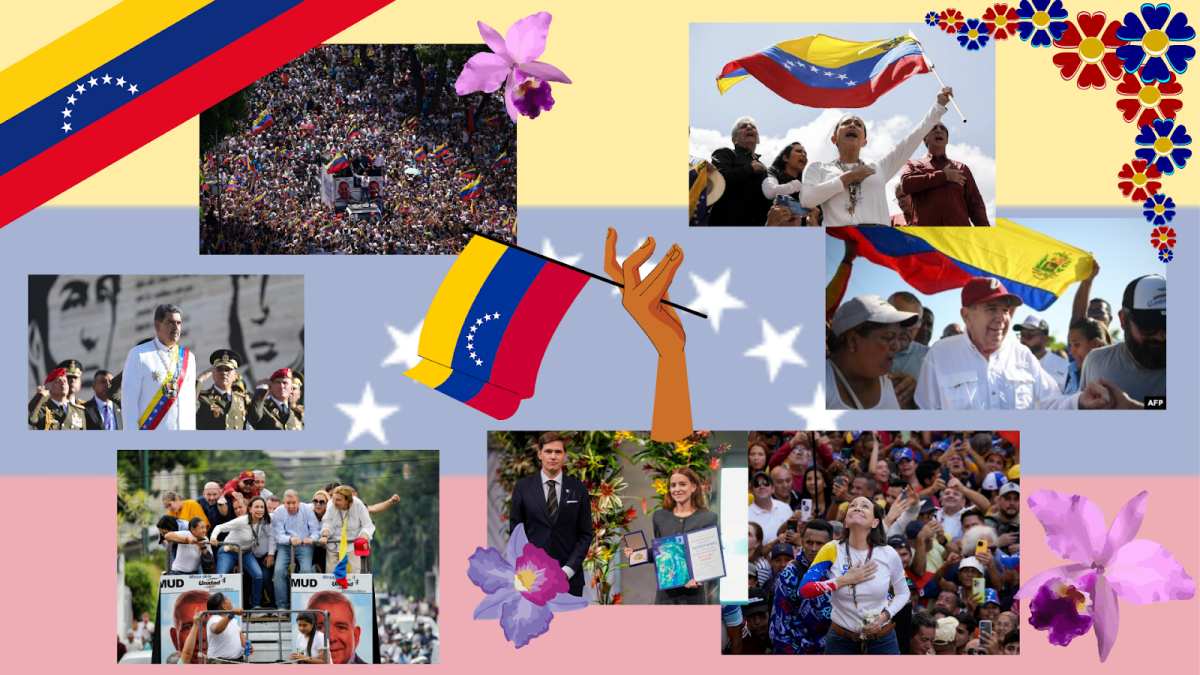
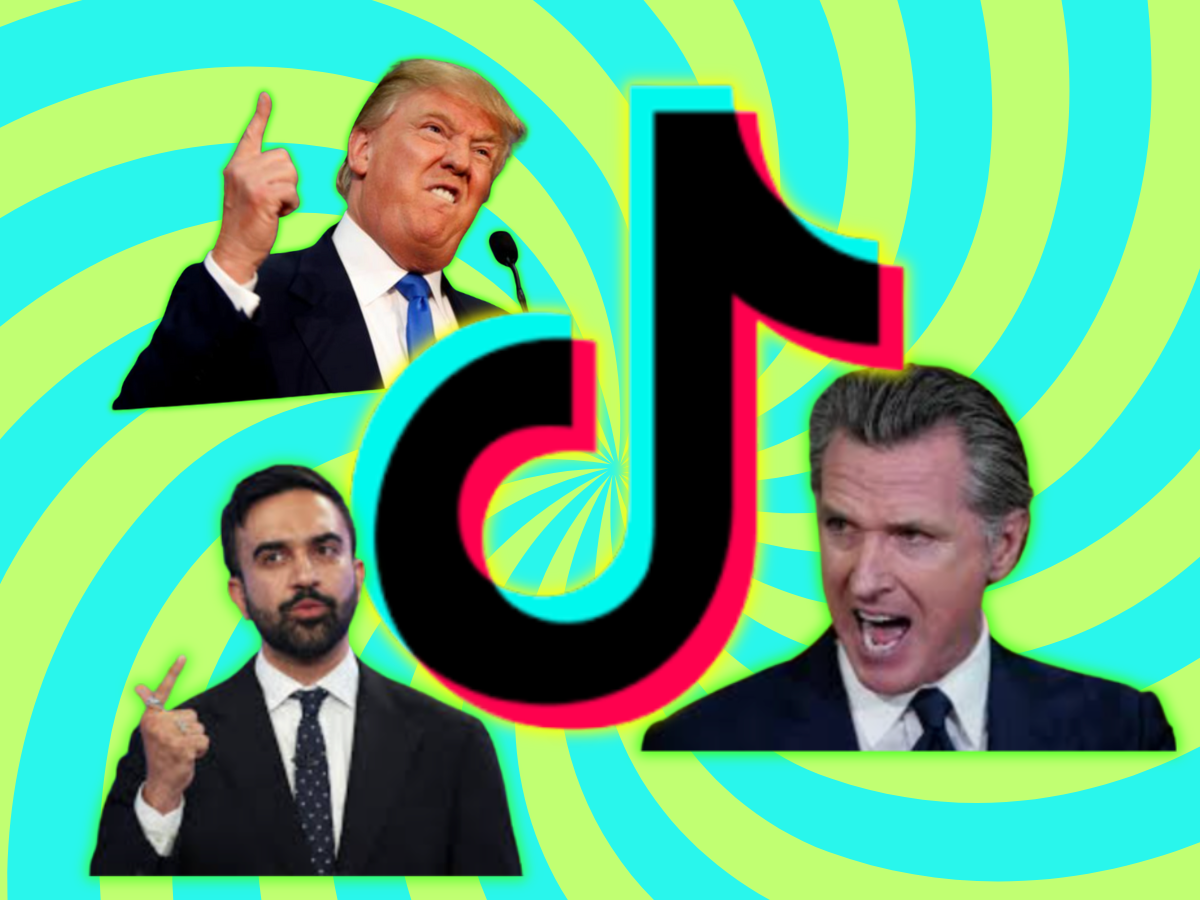
The White House launched this TikTok page on August 19 last year, and since its inception, it has been full of these types of edits. Recently, after capturing the Venezuelan dictator Nicolas Maduro, the White House posted a series of TikToks about the operation, and two edits making fun of Maduro. One video, with the caption “FAFO,” starts with a clip of Maduro daring Trump to come get him. Then the video cuts to Secretary of State Marco Rubio saying, “And now if you don’t know now you know,” and then a picture of Maduro tied up and blind folded, and then a video of Trump, smiling as he walks through the halls of the white house. Another edit to the song “Gasolina” by Daddy Yankee, which says “Promises made Promises kept,” includes flashing images of Trump alongside recent gas prices under $3.
Trump isn’t the only politician inspired by 13-year-olds ’ edit accounts. Gavin Newsom, the California Governor with 34% odds as the democratic nominee for 2028 on prediction market platform Kalshi, has been on a TikTok campaign basically trolling the President. One video captioned “Poor Donny” starts with a clip of Trump admitting he doesn’t think he’ll get into heaven. The video then starts playing “Free to be Me” by Francesca Battistelli, singing “’Cause I got a couple dents in fender,” while unflattering images of Trump flash across the screen, ranging from January 6 to Epstein to just Trump falling over. Newsom has made several moves to make inroads in non-traditional media. He started his own podcast, which he frequently clips on his TikTok account. He also posts slideshow-style videos with information he wants voters to see on a given topic, and sometimes more personal videos in which he speaks to the camera.
Perhaps the best example of effective TikTok use in a political campaign is New York Mayor Zohran Mamdani. During his successful campaign in New York, Mamdani’s messaging became native to TikTok. His videos used a wide variety of forms, from upbeat edits to heartfelt moments of Mamdani connecting with New Yorkers, to just personal videos of Mamdani talking to the camera. Then, using all the provided material, his supporters remixed his speeches, made countless hype edits, and circulated their favorite moments of him. As for the effectiveness of these tactics, exit polls showed that 75% of the youth vote went to Mamdani.
Looking at Mamdani’s success, it makes sense that older candidates like Newsom and Trump are now engaging with TikTok in this way. The youth vote generally goes to Democrats, but the margin among young voters remains an important battleground for both parties. In 2020, Biden won the youth vote by a wide margin, capturing 65% of young women and 56% of young men. In 2024, Harris won only 58% of young women and 56% of young men went to Trump.
This is not just a change in style. It is how political engagement actually happens for younger voters. According to recent Pew Research Center polling, more than half of Americans now say they get news from social media at least sometimes, and for people under 30, social media is one of the most common ways they encounter political information during elections. TikTok in particular has grown rapidly as a news source, with roughly one in five Americans saying they regularly get news from the app, up from 3% in 2020. Pew has also found that a growing number of Americans, especially young people, get news from individual creators and personalities rather than established news organizations.
TikTok rewards content that is emotional, fast, and easy to share and understand. This gives trolling and dramatic soundtracks a much better chance of spreading than a traditional policy explanation. Minecraft edits and hype videos are not just distractions from political debate; they are the debate, at least for a generation raised online. Just as the first televised presidential debate in 1960 between JFK and Nixon forever shifted voter perceptions of their politicians, as TikTok blurs the line between entertainment and information, politics will continue to evolve. The politicians who succeed may not be the ones with the most polished ads, but the ones who understand how the algorithm and the audience scrolling through it actually works.